There was a book in my grandmother’s guest room where I used to sleep. It was large and heavy, the kind of book that felt important before you even opened it. Inside were full color illustration plates—botanical studies rendered with a kind of care that felt almost reverent. I remember sitting with it for long stretches of time, turning pages slowly, completely absorbed.I was awe struck by the beauty of the illustrations. I didn’t fully understand them, but I tried to copy them anyway. At that age, copying felt like a form of devotion.
Both my mom and my grandmother were avid gardeners. My grandmother was my mom’s mother-in-law, and they didn’t always get along. But when it came to plants, something shifted. Nursery outings became neutral ground. Among rows of leaves and blooms, whatever tension existed between them softened. I was often carried along on those trips, moving between them, surrounded by color, texture, and names I didn’t yet know. Looking back, it feels like plants were the language they shared when others failed.
Somewhere along the way, my path through art and art school took me in other directions. The botanical thread went quiet for a while, replaced by other interests, other styles, other ways of seeing. But it never fully disappeared. Now, I find myself returning to it.
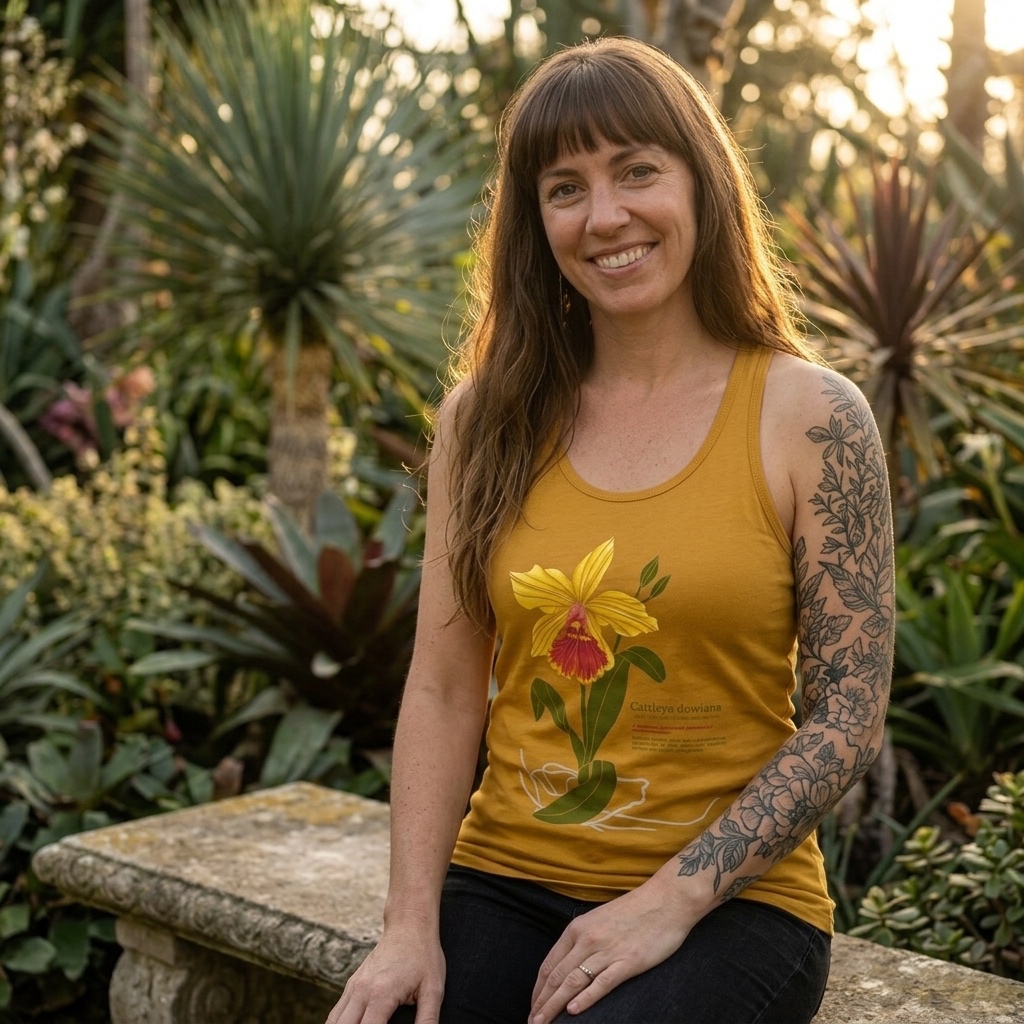
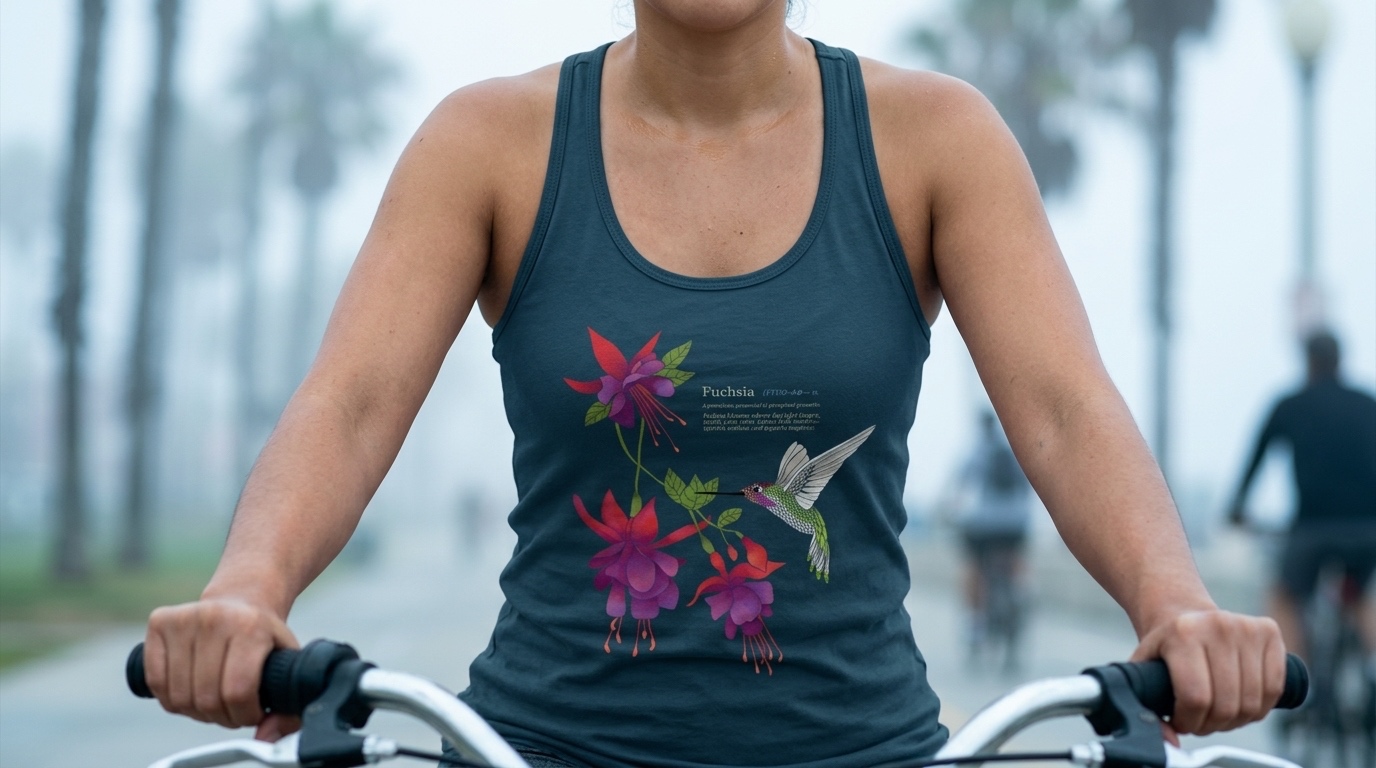
Botanical Definitions (my first group of T-shirt designs) is not an attempt to recreate those dictionary plates exactly. It’s something more interpretive—more symbolic. It draws from the structure and spirit of those illustrated books, but filters them through memory, movement, and personal language. It’s less about classification, and more about translation. Each piece is an attempt to capture not just what a plant looks like, but what it feels like—its rhythm, its posture, its quiet personality.
In a way, this collection is a return to that guest room. To the weight of that book in my hands. To the quiet focus of trying to understand something by drawing it. To the shared ground where differences dissolved, if only briefly, in the presence of something growing. This is where the work begins again.